
Safety leadership protects buildings, occupants, and critical infrastructure, particularly within high-demand environments such as major cities. A safety director certification provides professionals with the advanced knowledge needed to manage emergency operations, coordinate response efforts, and maintain full compliance with local safety regulations.
Through structured training programmes, the aspirant safety director learns to handle building systems, steer occupants through crises, and meet the highest levels of preparedness. The credential has become an essential asset for individuals accountable for fire and life safety, enhancing both career opportunities and protection in today’s buildings.
The Significance of Safety Director Certification
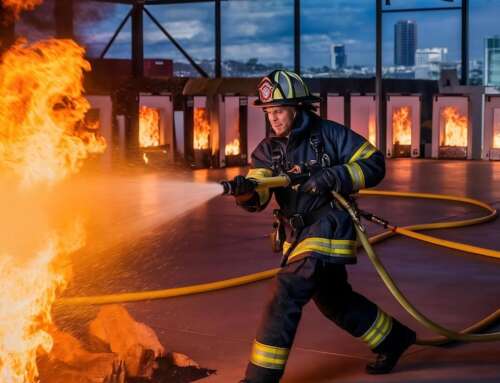
The complexity of building safety has increased. The days of someone being good at handling emergencies just because they knew where the fire extinguisher was are long gone. Today’s fire and life safety directors must unite emergency teams, understand advanced alarm systems, and make split-second choices that save lives.
Your certification as a safety director attests to your capacities. It shows employers that you’re not just familiar with safety procedures – you’ve been trained specifically on how to implement them during the moments that matter most. Certified directors know exactly what to do in the event of a small electrical fire or a complete building evacuation.
The Benefits of Earning This Credential
It’s much further than attaining a demand when pursuing a safety director certification. It instills confidence, hones leadership skills, and improves career stability over the long term.
- Professional Advancement: Certified safety directors frequently gain operational and administrative, and indeed director-level, positions that aren’t available to those who are uncredentialled.
- Higher Earning Potential: Most property management companies, high-rise buildings, hospitals, schools, and private security firms prefer hiring candidates with this certification in exchange for higher salaries.
- Regulatory Compliance: Structures taking designated safety labour force have to employ certified individuals to be biddable, and therefore, credentialed professionals are a necessity.
- Advanced Emergency Performance: Training allows professionals to make quick, informed opinions in real-life extremities to save lives and minimise property loss.
- Industry Recognition: The instrument is largely regarded and indicates a certain position of capability that employers rely on.
The Importance of Choosing a Reputable Training Institute
Training quality is critical. The right institute not only prepares campaigners for examinations but also teaches them how to apply their skills confidently in high-pressure situations. An educated training provider offers structured instruction, real-life practice, streamlined safety information, and guidance through each test stage.
At Knight Training Institute, scholars receive clear, dependable instruction that aligns with ultramodern structure codes and emergency norms. Courses are designed to match real-world scripts – not just text delineations – helping scholars completely understand what will be expected of them in the field. The thing isn’t just to pass a test but to perform effectively and responsibly when it matters most.
What the Certification Process Typically Involves
Many jurisdictions follow a structure similar to NYC’s Fire & Life Safety Director model. Campaigners first meet eligibility conditions, which may include experience in security, fire service, or property operations. Once good, they complete classroom training from an approved provider, covering fire and non-fire risks, active shooter preparedness, erecting systems, and emergency communication procedures. A written test follows to corroborate understanding of these core motives.
Candidates come to experience an in-person or script-grounded assessment of their capability to demonstrate real-time reacting point response skills, such as managing evacuations, handling alarms, communicating with first responders, and guiding residents to safety. Full certification is granted after all evaluations are passed, along with issued credentials. Renewals are required every few years to maintain competency.
How to Get Started
The first step is opting for an estimable training provider that offers approved coursework and test materials. After registering, campaigners complete the needed classes, study for the written test, and prepare for script-grounded assessments. Choosing credible training, such as programmes from Knight Training Institute, empowers professionals with the skills and confidence required for real-world emergencies. Whether you’re advancing your career or enhancing your qualifications alongside a fire guard licence online, this certification positions you as a trusted leader in fire and life safety.
FAQS:-
1. How long does the certification take to complete?
Training is handled differently depending on the state; however, most programs include in-classroom training, a written test, and a practical examination. Most applicants finish the process in several weeks.
2. Is any previous experience required for enrolment?
Some jurisdictions require related experience in such areas as security, building operations, and emergency response; others allow new candidates to begin with training. Always check local requirements.
3. Is this certification valid outside of New York?
While each region sets its own rules, many employers throughout the country respect training based on the NYC model because it follows rigorous standards.